
How Arrest Warrants Work in Payne County
Oklahoma Title 22 sets out the pieces of an arrest warrant. A sworn complaint or affidavit names the offense and the person. If the name is unknown, a permitted designation can stand in. The warrant itself must state the offense, the issuing time and place, the court or county, and bail when the offense is bailable. It is directed to a peace officer and commands an arrest plus an appearance before a magistrate. Payne County's Court Clerk indexes District Court records for felony, misdemeanor, traffic, search-warrant, and extradition matters. A city ordinance case may run through a separate Municipal Court instead. So a warrant search has to match the court that issued the process. Title 22 supplies these state requirements. It creates no public countywide search.
Title 22's Payne Arrest-Warrant Building Blocks
The warrant document and the public docket do different jobs. A warrant can carry court and case information, the complaint or affidavit source, the offense and statute, issue date and place, the judge or magistrate, bail, the direction to the peace officer, subject descriptors, and a service return. Payne County searchers will not see all of that online. OCCA blank forms give the field vocabulary without exposing anyone's record.
| Charging basis | Complaint, sworn affidavit, information, indictment, or related docket event. |
|---|---|
| Identifying fields | Name or permitted designation, with public identifiers limited by Rule 2.6. |
| Offense | Description, count, classification, and possible Oklahoma statute. |
| Issue details | Time, place, county or city, issuing judge or magistrate. |
| Bail | Amount, type, conditions, or a no-bond direction when applicable. |
| Service return | Agency, officer, date, location, served, returned, recalled, or quashed status. |
A public portal may show only a docket event in Payne County. It can leave out the full warrant and the current service record.
Payne County Arrest Warrant Signers
A judge or magistrate reviews the charging material first. Payne County's Court Clerk keeps the District Court case files. The Payne County Sheriff and deputies serve county-directed process. Stillwater, Cushing, Perkins, Yale, or other municipal police handle city process within their own authority. The U.S. Marshals Service handles federal process in the Western District of Oklahoma.
Payne County Sheriff's Office
County service and holding questions.
(405) 372-4522
Oklahoma law lets authorized peace officers serve warrants statewide. Still, a city-ordinance warrant keeps its municipal character, and Payne County callers should route questions to the right court. A county call will not clear a federal warrant.
Payne County Federal Arrest Warrants
Payne County sits inside the U.S. District Court for the Western District of Oklahoma. The William J. Holloway, Jr. U.S. Courthouse is in Oklahoma City. The U.S. Marshals Western District office is a separate federal route. PACER offers federal docket access under its posted fee rules. A sealed warrant may never appear there. CourtListener or RECAP can be a free supplementary lead where a public copy exists, not an official status answer.
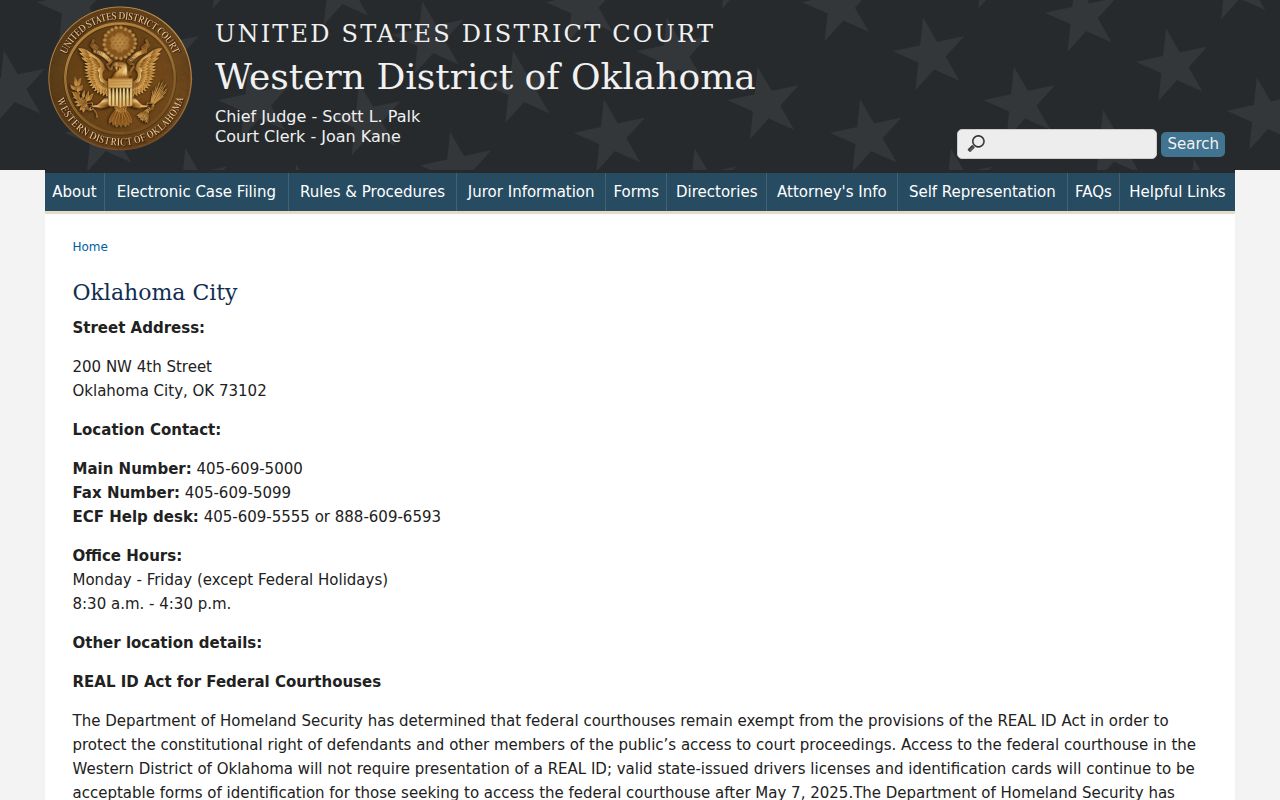
The federal courthouse marks the separate court layer above Payne County. Confirm its security and access rules before any special visit.
The Marshals source supports federal service routing, not a public Payne list.
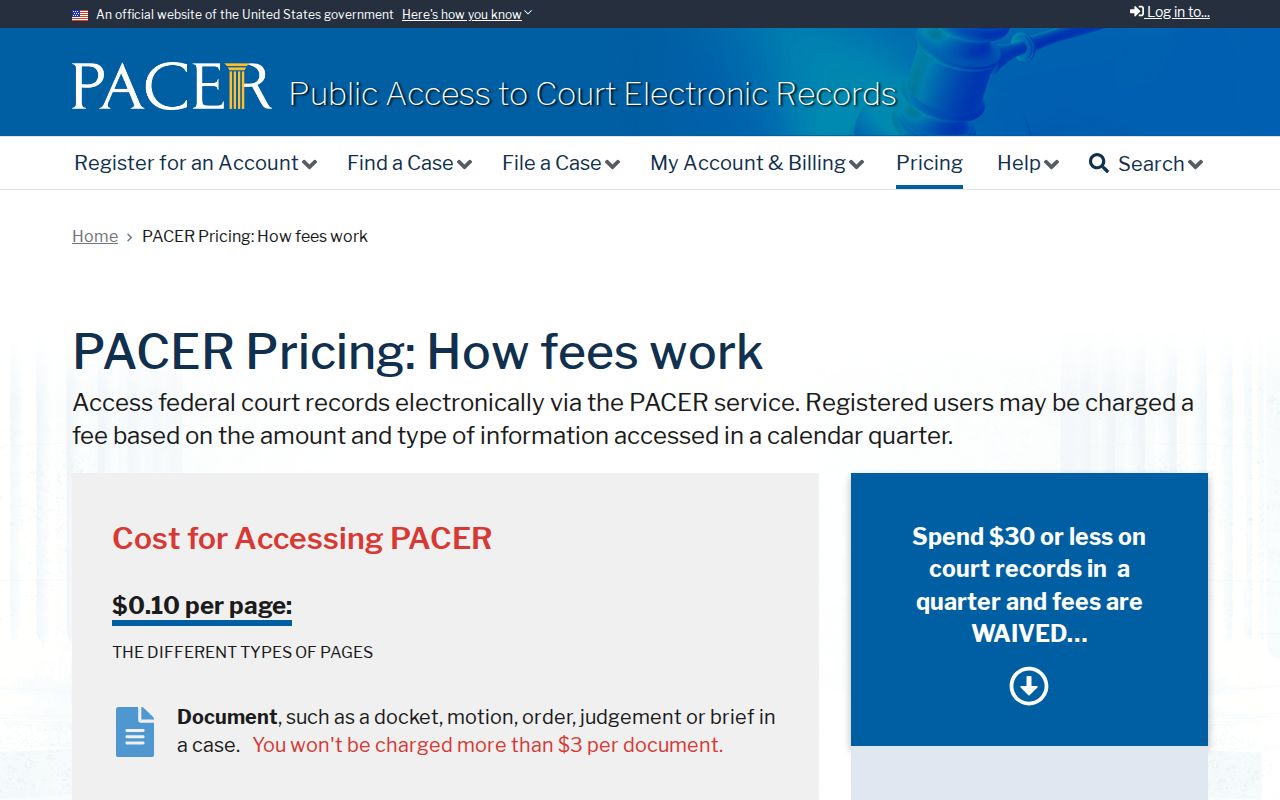
The PACER fee image identifies the federal docket cost rules, not a warrant result.
How Warrants Get Served in Payne County
The usual sequence runs from complaint or affidavit to judicial review, signing and docketing, delivery or entry for service, arrest, appearance before a magistrate, and finally bond or release conditions. Felony process carries special timing and appearance rules under Title 22. When bail is taken, the court receives the warrant and undertaking through the clerk process. A posted bond does not end the underlying case. The Payne County Sheriff site posts no public walk-through schedule, warrant division counter, or bond window. Call first. Ask which agency holds the process, whether a voluntary surrender is accepted, what identification is needed, and how magistration works. One call saves a wasted trip.
Payne County Arrest Warrant Types
These terms point to different kinds of process.
| Process | Core purpose | Payne record lead |
|---|---|---|
| Arrest warrant | Commands an officer to take a person into custody based on charging process. | District Court file, complaint, affidavit, or docket. |
| Summons | Orders a person to appear without the same immediate arrest command. | Issuing court and case file. |
| Bench warrant | Responds to a missed setting or failure to comply in an existing case. | Docket event or Municipal Court file. |
Only the issuing court can say which process applies in a given Payne County record. A caller's word "warrant" alone does not identify the legal document.
Payne County Sealed Arrest Warrants
A blank docket has many possible causes in Payne County. It may reflect a sealed filing, a juvenile record, a newly entered event, a municipal case, a law-enforcement record, or another county entirely. OCCA Rule 2.6 calls OSCN a public convenience database and limits personal identifiers. A no-file or arrest-stage reference may not look like a finished criminal case. Silence on OSCN proves nothing. It is not proof that no warrant exists.
- Recall
- The issuing court withdraws the process.
- Quash
- The court sets aside the warrant while the case can remain open.
- Return
- Service paperwork comes back with the result of execution.
- Sealed
- A court restriction keeps the filing or part of it from public view.
Ask the Payne County Court Clerk what public event can be released. Ask the Sheriff only for the operational confirmation it may legally provide.
Arrest Warrant Lookup Results
Read Payne County lookup results as a chain of fields, not a single label. A sample number is an abstract marker, not a live record.
| Court and cause | Which court and case control the process. |
|---|---|
| Complaint or affidavit | The charging source that a clerk or counsel may explain within access limits. |
| Offense and classification | The alleged offense and felony or misdemeanor class, if public. |
| Issue date and authority | When the process was authorized and by which judicial officer. |
| Bond or hold | Release condition, amount, or a direction requiring judicial action. |
| Status and next setting | CF-YYYY-##### is a sample case marker; the actual docket controls. |
Public internet access in Payne County may redact dates of birth, addresses, and other identifiers. A city police portal can show a selected name and bond field while the District Court case sits elsewhere.
Authenticate a Call Before Paying
Hang up first. Whether the contact is a call, text, e-mail, or image claiming an arrest warrant, find the official court, city, or Payne County Sheriff number yourself. Oklahoma's Attorney General warned in 2025 about fake arrest warrants and demands for preemptive bail through cryptocurrency kiosks. Real status comes from the office holding the record. Everything else is noise.
Do not pay a threat: Cryptocurrency, gift cards, or an urgent payment link are not a substitute for a verified court or law-enforcement contact.
Start by pinning down what the paper actually is: an arrest warrant, a bench warrant, a summons, or a probation or parole hold. Payne County District Court matters go through the Court Clerk, with the Sheriff handling service. City cases belong to the municipal court. Federal papers go to the Western District or your lawyer.
Handling an Arrest Warrant in Your Name
If a Payne County arrest warrant carries your name, pick up the phone before you walk in. Call the issuing court first. Ask for the case number, the current docket event, the bond or no-bond instruction, and where to appear or surrender. You also want the office that can confirm recall or service. A lawyer can weigh a motion, a walk-through, bond, or another response, and the Court Clerk hands out information and forms rather than legal advice. Hang on to every notice, receipt, bond paper, court order, and next-setting date you receive. A warrant can be recalled while the case stays open, and a public page can lag behind the docket, so confirm any update with both the court and the serving agency.